
What Causes a Circuit Breaker to Keep Tripping?
If your circuit breaker keeps tripping, it is usually protecting your home from an electrical problem. The most common causes include overloaded circuits, short circuits, ground faults, faulty appliances, damaged wiring, moisture intrusion, or an aging breaker that is no longer performing properly.
A breaker that trips once after plugging several devices into the same circuit may simply be doing its job. However, a breaker that repeatedly trips should never be ignored. In many cases it is the first warning sign that something within the electrical system requires attention.
While homeowners often assume the breaker itself is defective, the breaker is frequently responding to another issue elsewhere in the home. Determining the root cause is the key to preventing future disruptions and ensuring the safety of your electrical system.
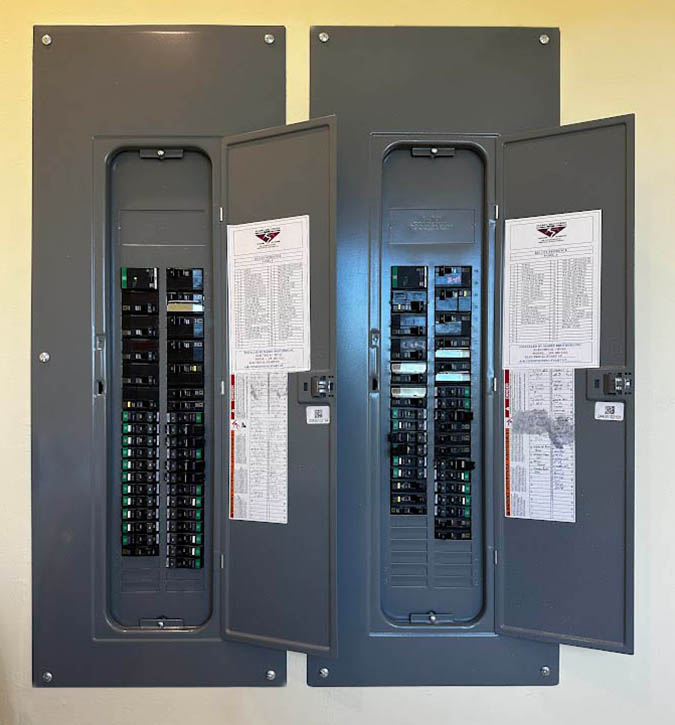
Why You Should Never Ignore A Tripping Breaker
Many homeowners view a tripped breaker as a minor inconvenience. The lights go out, the breaker gets reset, and everything appears to return to normal. The problem is that circuit breakers are designed to alert you when something is operating outside of safe electrical limits.
When electrical current exceeds what the wiring was designed to handle, the breaker disconnects power before excessive heat can build up. Without this protection, overloaded wiring could potentially overheat and create a fire hazard.
Electrical systems do not repair themselves. A breaker that begins tripping occasionally may eventually trip more frequently as the underlying issue worsens. For homeowners throughout Southwest Florida, recurring breaker trips are often connected to growing electrical demands, aging electrical infrastructure, environmental exposure, or equipment that has reached the end of its service life.
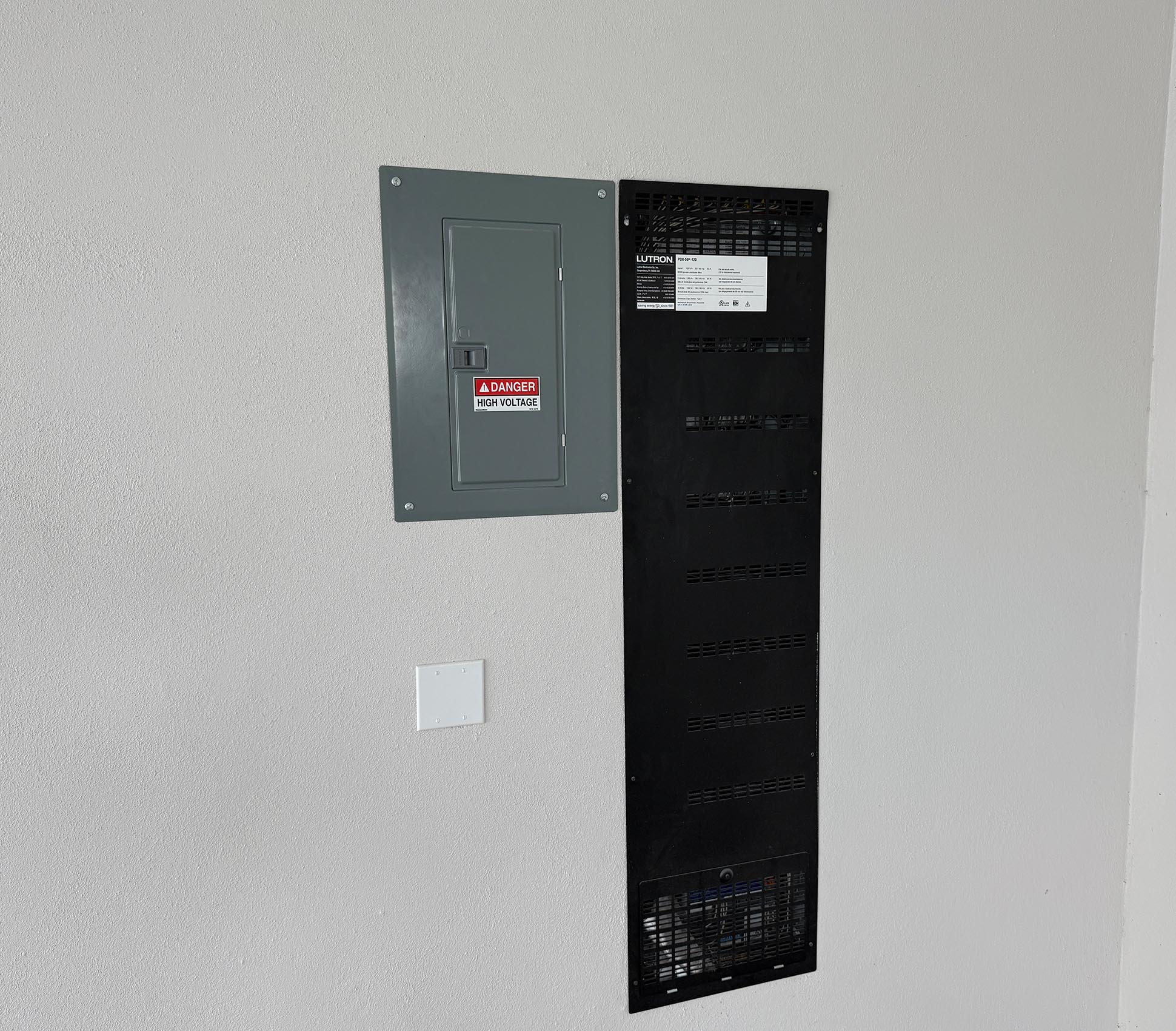
What Does A Circuit Breaker Actually Do?
What a Breaker Protects
Circuit breakers help protect electrical wiring, outlets and switches, lighting systems, appliances, air conditioning equipment, pool equipment, electric vehicle chargers, home standby generators, and electronic devices. Modern homes rely on dozens of electrical circuits working together. Circuit breakers serve as the first line of defense when something goes wrong.
Why Breakers Trip Instead Of Fuses Blowing
Older homes often relied on fuse boxes instead of breaker panels. When a fuse failed, it had to be replaced. Modern breakers can be reset after the issue has been corrected. While the technology differs, both systems are designed to perform the same function: protect wiring and electrical equipment from excessive current.
Common Reasons Home Circuit Breakers Trip
Overloaded Circuits
Overloaded circuits are among the most common causes of breaker trips. An overload occurs when multiple devices draw more electricity than the circuit can safely handle. Many homes were built before today’s electrical demands existed. Adding new appliances and technology without upgrading circuits can place additional strain on the system. High-demand devices include hair dryers, space heaters, air fryers, microwaves, portable air conditioners, refrigerators, garage freezers, and pool equipment.
Short Circuits
Short circuits occur when electricity follows an unintended path, often because of damaged wiring, loose electrical connections, failed switches, damaged outlets, or faulty appliances. Short circuits typically cause breakers to trip immediately after being reset. Common warning signs include burning odors, scorch marks, sparking, buzzing sounds, and discolored outlets. Because short circuits can create fire hazards, they should be inspected by a licensed electrician.
Ground Faults
Ground faults are similar to short circuits but involve electricity finding an unintended path to ground. These issues commonly occur in bathrooms, kitchens, laundry rooms, garages, outdoor outlets, and pool equipment areas. Ground faults increase the risk of electrical shock and are one of the primary reasons GFCI protection is required in many areas of the home.
Faulty Appliances
Sometimes the electrical system is not the problem. A malfunctioning appliance may develop an internal fault that causes a breaker to trip repeatedly. Common culprits include refrigerators, dishwashers, water heaters, air conditioners, washing machines, and pool pumps. If a breaker trips only when a specific appliance is operating, that appliance may need inspection or repair.
Aging Circuit Breakers
Circuit breakers can last for decades, but they do not last forever. Over time, internal components can wear down due to repeated electrical cycling, heat exposure, moisture, corrosion, and age. An older breaker may become more sensitive, trip unnecessarily, or fail to provide reliable protection.
Lee County Areas Where Breaker Issues May Be More Prevalent
Older Fort Myers Homes
Many homes located along the McGregor Boulevard corridor, portions of Whiskey Creek, and established neighborhoods near Downtown Fort Myers were built during a time when household electrical demand looked very different. Electrical panels that were perfectly adequate decades ago may now be operating much closer to their capacity as homeowners add additional electric components.
Coastal Homes on Sanibel and Captiva
Homes located on Sanibel Island and Captiva Island often face challenges that many inland properties never experience. Salt carried through the air gradually contributes to corrosion on electrical disconnects, outdoor panels, meter equipment, grounding systems, exterior outlets, and service entrances. As corrosion develops, electrical resistance increases, generating heat and contributing to equipment failures or nuisance breaker trips. Properties directly along the Gulf or near canals often experience these conditions most aggressively.
Newer Communities in Estero and Bonita Springs
Many newer communities throughout Estero and Bonita Springs feature larger homes with modern electrical systems. While these systems are designed to handle today’s demands, increased power consumption can still place significant strain on a home’s electrical panel. As electrical loads grow over time, homeowners may experience frequently tripped breakers, overloaded circuits, or other performance issues that indicate the system is operating near or beyond its intended capacity.
Seasonal Residents
Southwest Florida’s seasonal population creates unique electrical challenges that are rarely encountered in other parts of the country. Many homes in Fort Myers, Bonita Springs, Naples, Sanibel, and Captiva remain unoccupied for months at a time before becoming fully occupied during the winter season.
During these periods of vacancy, minor electrical issues can go unnoticed. When homeowners return and begin operating air conditioning systems, appliances, lighting, and other household equipment at full capacity, underlying problems often become apparent. Tripped breakers, faulty outlets, power fluctuations, and other electrical concerns may surface only after the home’s electrical system is placed back under normal demand.
Storm Activity
Frequent thunderstorms, lightning strikes, and tropical weather place additional stress on electrical systems throughout our SWFL area. Even when no visible damage is present, power surges, voltage fluctuations, and brief power interruptions can affect circuit breakers, electrical panels, HVAC equipment, appliances, and sensitive electronics.
In many cases, storm-related electrical damage is not immediately obvious. A breaker may continue functioning after a surge event but become weakened over time, leading to nuisance tripping, intermittent power loss, or reduced reliability. It is not uncommon for homeowners to experience electrical issues weeks or even months after a significant storm has passed.
At Mabry Brothers, we regularly diagnose breaker and electrical panel problems that can be traced back to previous storm activity. Identifying and addressing these issues early can help prevent more serious electrical failures and protect your home’s critical systems.
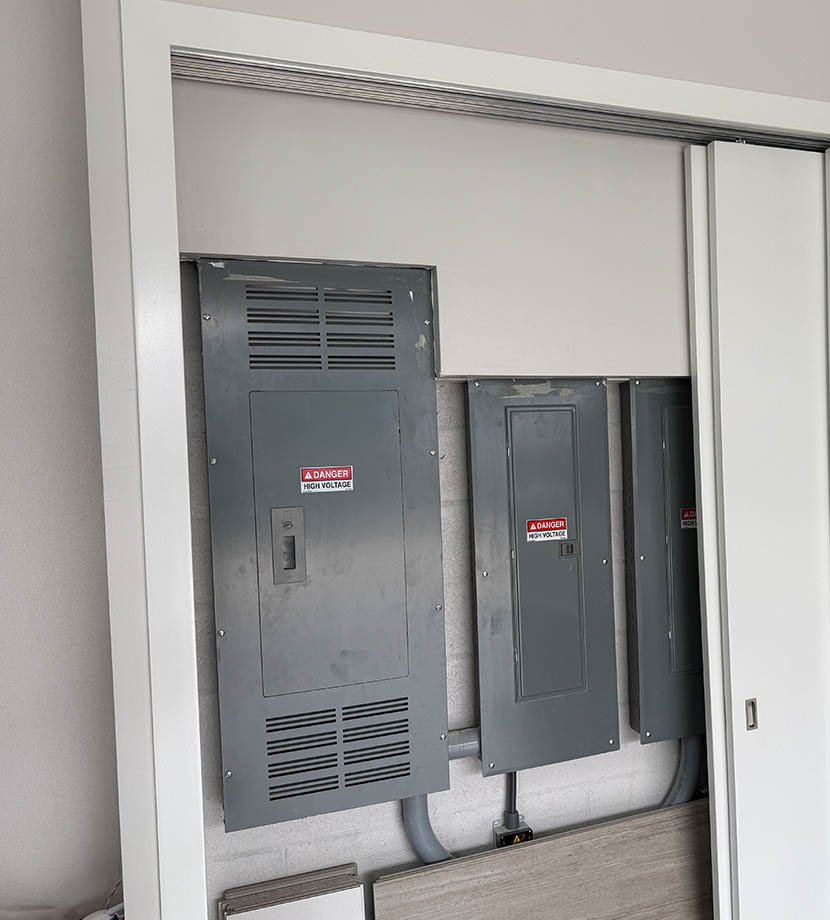

What Can You Safely Check As A Homeowner?
When a breaker trips, there are a few safe steps homeowners can take before calling an electrician. Start by identifying what appliances, equipment, or devices were operating when the breaker tripped. Recognizing a pattern can often help determine whether the circuit is overloaded or if a specific piece of equipment may be causing the issue.
It is also helpful to consider whether any new electrical equipment has recently been added to the home. Increased electrical demand can place additional strain on circuits and may contribute to recurring breaker trips.
Homeowners can safely perform a visual inspection of accessible outlets, switches, and electrical devices. Look for signs such as discoloration, cracks, burning odors, buzzing sounds, or unusually warm surfaces. If any of these conditions are present, discontinue use immediately and contact a licensed electrician.
In most cases, attempting a single breaker reset is acceptable. However, if the breaker trips again shortly after being reset, avoid repeatedly turning it back on. Frequent resets can mask a more serious electrical problem and may increase the risk of equipment damage or electrical hazards.
Signs Your Electrical Issue May Be Serious
When An Electrical Panel Upgrade Is Warranted
In some cases, recurring breaker trips are not caused by a faulty circuit or appliance. Instead, they may indicate that the electrical panel is no longer equipped to handle the demands of the home.
An electrical panel upgrade may be worth considering if your panel is more than 25 to 40 years old, you’ve recently added major electrical loads such as an EV charger, pool equipment, hot tub, air conditioning system, or whole home generator, or if breakers frequently trip throughout multiple areas of the home. Homeowners may also find themselves running out of available breaker space when planning renovations, additions, or other electrical upgrades.
Throughout Southwest Florida, we commonly encounter older electrical panels in established neighborhoods that were installed long before today’s electrical demands existed. As homes evolve and additional technology is added, the original panel may simply no longer provide the capacity needed for safe and reliable operation.
How We Diagnose Recurring Breaker Problems
A breaker that keeps tripping is often a sign of a larger issue somewhere within the electrical system. Diagnosing the problem usually involves inspecting the affected circuit, connected appliances, breaker condition, wiring, and electrical panel to determine what is causing the interruption.
Common causes include overloaded circuits, loose connections, damaged wiring, failing breakers, faulty appliances, moisture intrusion, or an electrical panel that is struggling to keep up with the home’s electrical demands. In Southwest Florida, storm activity, humidity, and coastal corrosion can also contribute to electrical issues over time.
Once the source of the problem has been identified, the solution may be as simple as replacing a faulty component or as involved as adding dedicated circuits or upgrading electrical equipment to better support the home’s needs.
Recent Customer Reviews
EXCELLENTTrustindex verifies that the original source of the review is Google. Germayne T. was very professional, courteous, and extremely efficient replacing two ceiling fans for us. Will definitely use Mabry and Germaine again.Posted on GoogleTrustindex verifies that the original source of the review is Google. Just had a biannual service done to my AC, amazing work by Kirk, on time, professional, and efficient!!!Posted on GoogleTrustindex verifies that the original source of the review is Google. Our A/C system wasn’t cooling. Kirk was over to fix it in less than 2 hrs. Very friendly & efficient. Found 2 small leaks. Got system cooling. Went over all options & charges before proceeding. Very satisfied.Posted on GoogleTrustindex verifies that the original source of the review is Google. Amazing professional service! I had smoke detectors falsely alarming and when I called in the morning, Scott immediately had a tech rerouted to address the alarms. Germaine arrived with 15 minutes of my call. He was AWESOME! Knowledgeable, polite and so personable. 5 star🌟 . And that is what we have found with all Mabry Brothers service techs!!!!Posted on GoogleTrustindex verifies that the original source of the review is Google. I love using these guys when I need an electrician. Their prices are fair, service is always fast and on time, and they communicate really well. Today Germayne T came out to install an EV charger at our home. He was on time, worked hard trenching ~80’, and got creative to help minimize the amount of exposed PVC. His connections look great, and the charger is working perfectly. As I said, I really like working with Mabry, and I think you will too.Posted on GoogleTrustindex verifies that the original source of the review is Google. My AC randomly went out in the late afternoon and I thought it had to do with the battery on the thermostat or the filter needing to be changed but it ended up being 84 degrees in my house in the middle of the night and Kirk was able to get to me within an hour of me calling to fix my issue which happened to be the capacitor. He spotted the issue within 10 minutes, thank you so much!!!Posted on GoogleTrustindex verifies that the original source of the review is Google. Company was very responsive. Germayne was knowledgeable, efficient, and cleaned up after work. Very professional! I highly recommend Mabry Brothers for your electrical needs.Posted on GoogleTrustindex verifies that the original source of the review is Google. I was very pleased with the service call. Kirk arrived on time, was professional and knowledgeable about the problems we were having with our air conditioner. He explained in detail what was happening and the steps needed to correct them. I highly recommend Mabry Brothers.Posted on GoogleTrustindex verifies that the original source of the review is Google. We needed an outdoor low voltage circuit installed! Emailed Scott for a quote with quick turnaround and Martin showed up and did excellent install work! Can highly recommend Mabry Brothers from this first experience and will use again!Posted on GoogleTrustindex verifies that the original source of the review is Google. Troy from Mabry Brothers is extremely professional and truly knows 100% what he’s doing. He is very responsible and takes the time to explain every step of the process, including every part that needs to be replaced. After calling several different companies, nobody was able to repair my generator and I only ended up wasting money. Troy was the only one who actually solved the problem quickly, and now my generator is working perfectly just in time for the upcoming storms. I highly recommend Troy and Mabry Brothers to anyone looking for honest, knowledgeable, and reliable service.
Frequently Asked Questions
Need Electrical Or HVAC Service? Trust Mabry Brothers!
The licensed electricians and HVAC technicians at Mabry Brothers have been helping homeowners and businesses throughout Southwest Florida since 1995, providing dependable service across Fort Myers, Estero, Bonita Springs, Naples, Sanibel Island, Captiva Island, and the surrounding communities.
For immediate assistance, please call our office directly at (239) 482-1122.

