
Flickering Lights: When It's Normal and When It's a Warning Sign
If your circuit breaker keeps tripping, it is usually protecting your home from an electrical problem. The most common causes include overloaded circuits, short circuits, ground faults, faulty appliances, damaged wiring, moisture intrusion, or an aging breaker that is no longer performing properly.
A breaker that trips once after plugging several devices into the same circuit may simply be doing its job. However, a breaker that repeatedly trips should never be ignored. In many cases it is the first warning sign that something within the electrical system requires attention.
While homeowners often assume the breaker itself is defective, the breaker is frequently responding to another issue elsewhere in the home. Determining the root cause is the key to preventing future disruptions and ensuring the safety of your electrical system.
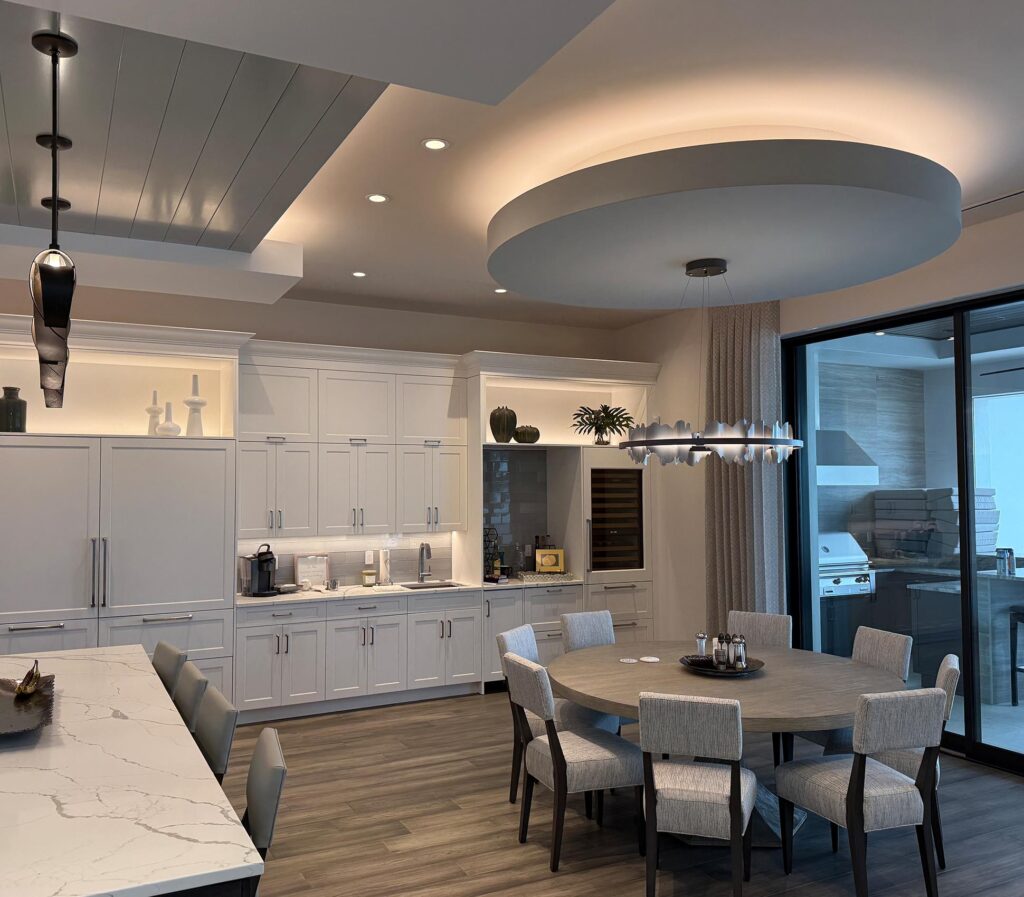
What Does a Flickering Light Actually Mean?
A light flickers when it experiences a fluctuation in the voltage or current being delivered to it. Steady, consistent electrical flow produces steady, consistent light output. When that flow is interrupted, reduced, or temporarily altered — by a loose connection, an overloaded circuit, a voltage drop, or a fault in the electrical system — the light responds visibly.
Because lights are the most visible indicators of what is happening within a circuit, they often reveal electrical conditions that would otherwise be invisible. An outlet with a loose connection, a circuit approaching its capacity limit, or a panel component that is beginning to fail may produce no other visible symptom than a flickering light on that circuit.
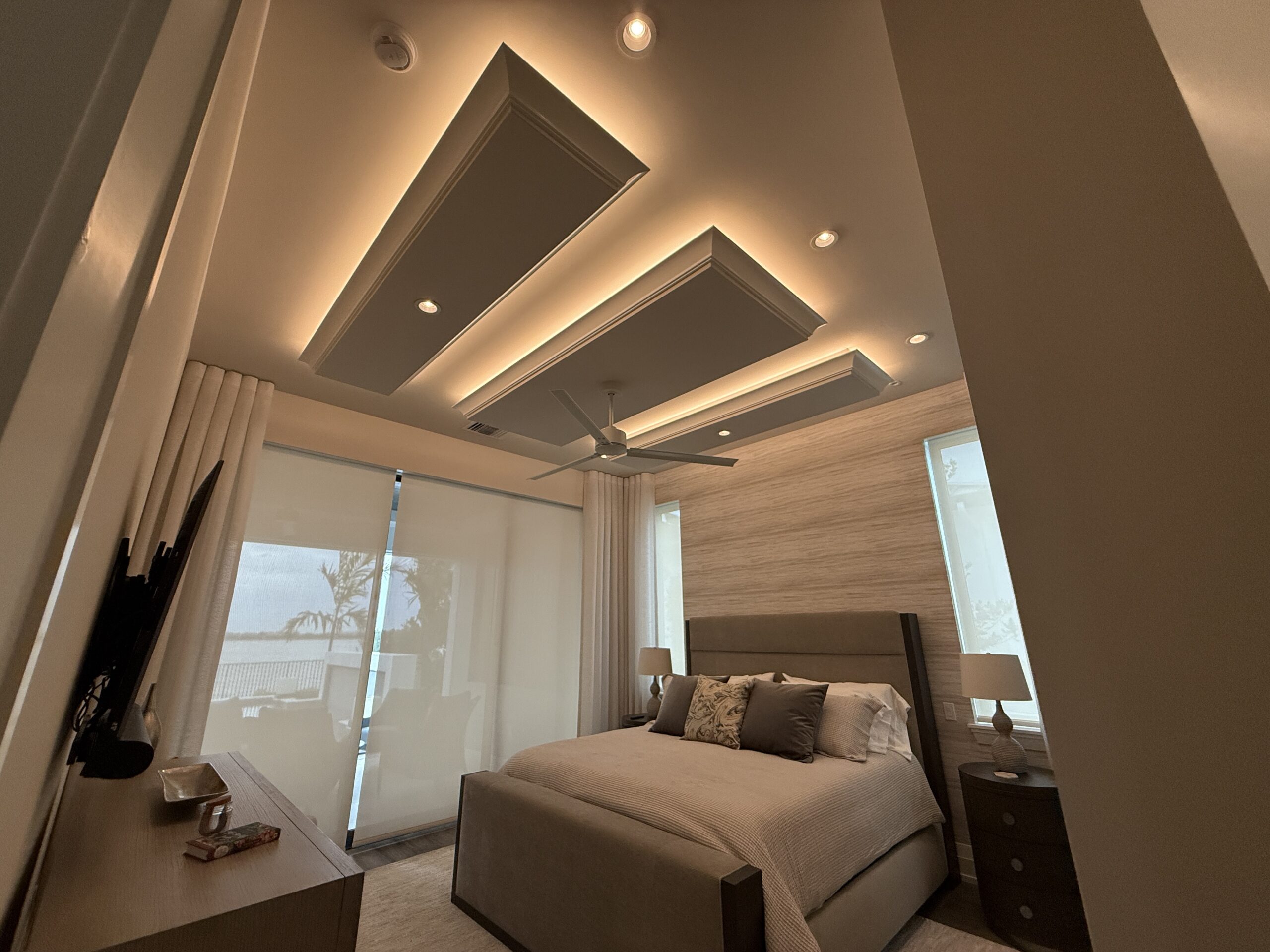
Common Causes of Flickering Lights
Loose or Worn Light Bulbs
The simplest explanation for a single flickering light is often the correct one. A bulb that is not fully seated in its socket maintains intermittent contact with the electrical contacts inside the fixture, producing a flicker. Turn off the light, allow the bulb to cool, remove it, and reinsert it firmly. If flickering stops, the problem was contact-related.
Incompatible Dimmer Switches
Dimmer switches are designed to work with specific types of bulbs. When a dimmer switch designed for incandescent bulbs is used to control LED fixtures, the mismatch can produce flickering, buzzing, or reduced dimming performance. The solution is typically replacing the dimmer switch with one rated for LED use.
Voltage Fluctuations When Large Appliances Start
When a large motor-driven appliance starts — an air conditioning system, a refrigerator compressor, a pool pump — it draws a surge of startup current significantly larger than its normal running load. This brief surge causes a temporary voltage dip that lights on nearby circuits may respond to with a brief flicker. Occasional brief dimming when the AC kicks on is relatively common in Florida homes. If it is severe, lasts more than a second or two, or affects lights throughout the home, have your electrical panel and service evaluated.
Loose Wiring Connections
Loose electrical connections are responsible for a significant portion of non-trivial flickering issues in residential homes. A connection that has loosened at an outlet, in a junction box, at a fixture, or within the electrical panel creates a point of variable resistance. As the loose connection makes and breaks contact, the circuit experiences micro-interruptions that register as flickering. Loose connections are among the primary sources of residential arc faults.
Overloaded Circuits
A circuit operating near its capacity limit will produce voltage dips that cause lights on that circuit to flicker when other high-draw devices activate. Many older homes throughout Fort Myers, Cape Coral, and Naples were not wired to standards that separate appliance and lighting circuits, meaning kitchen appliance loads regularly affect kitchen lighting performance.
Failing Electrical Panel Components
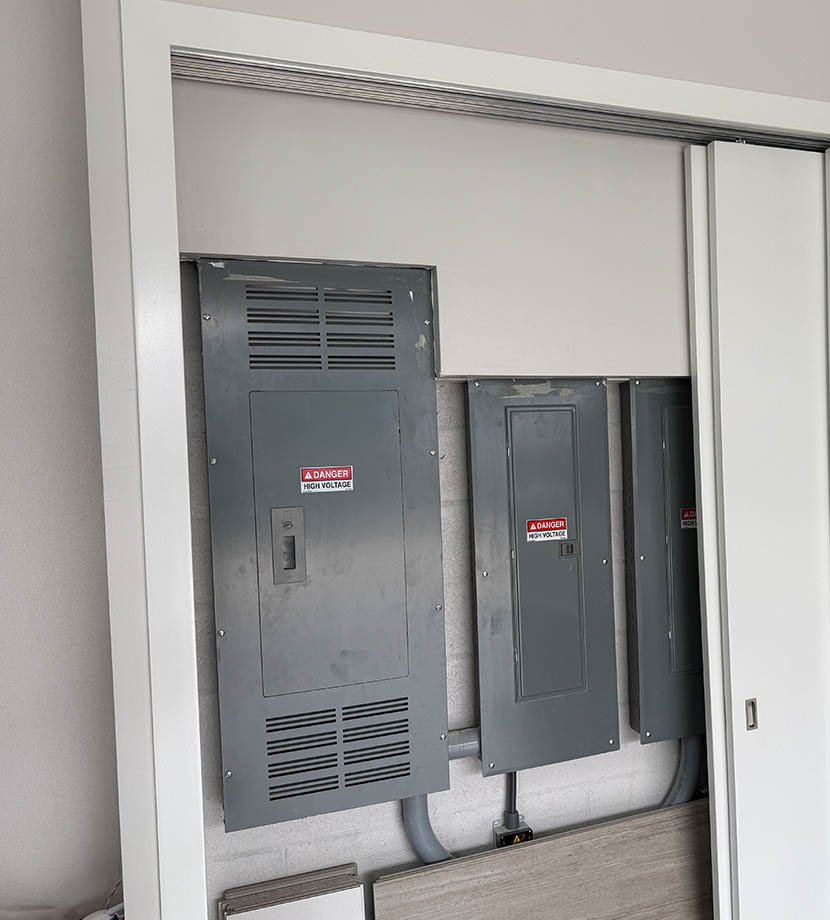
Circuit breakers and the bus connections within electrical panels deteriorate over time. A breaker that is beginning to fail may develop increased resistance that causes voltage fluctuations on the circuit it controls. Flickering that affects lights throughout the home often points to a panel-level issue rather than a localized wiring problem. This type of widespread flickering warrants evaluation of the electrical panel, particularly in homes with panels that are 25 years or older.Utility-Side Voltage Issues
Not all flickering originates within your home’s electrical system. Florida Power and Light and Lee County Electric Cooperative distribute power through a grid that serves thousands of customers. Utility-side issues including high-demand periods during peak summer months and storm damage to distribution infrastructure can produce voltage fluctuations that reach your home.
Aging or Incompatible Wiring
Homes with aluminum branch circuit wiring may experience intermittent flickering as aluminum connections at outlets, fixtures, and junction boxes loosen over time. Aluminum’s coefficient of thermal expansion causes it to move more than copper during temperature cycles, gradually working connections loose. Homes with aluminum branch circuit wiring should be evaluated by a licensed electrician experienced with aluminum wiring remediation.
Why Southwest Florida Homes Experience Flickering More Often
The Age of Fort Myers’s Established Neighborhoods
Neighborhoods along McGregor Boulevard, throughout Whiskey Creek, and across central Fort Myers contain a significant concentration of homes built in the 1960s, 1970s, and 1980s. Wiring insulation that has become brittle with age, connections that have cycled through thousands of expansions and contractions, and panels designed for a third of the current electrical load are all factors that make flickering more common in established Fort Myers neighborhoods.
The Intensity of Florida’s AC Demand
No single factor affects Southwest Florida home electrical systems more than air conditioning demand. AC systems in Fort Myers and Naples run nearly year-round, placing constant load on dedicated circuits and generating the kind of repetitive startup current surges that, over time, affect connections and panel components throughout the home.
Storm History and Its Effect on Electrical Systems
Southwest Florida’s storm history has left a legacy of electrical system stress that is not always visible from the surface. Voltage surges during storm events can damage breakers, degrade insulation on wiring, and stress panel components. Flickering that began or worsened following a significant storm event is particularly worth investigating.
Sanibel and Captiva: Environmental Extremes
The electrical systems of island properties face a level of environmental challenge that distinguishes them from mainland installations. The combination of salt air, high humidity, intense sun exposure, and the physical strain of hurricane-force winds creates conditions where flickering related to corrosion and connection loosening is significantly more likely than in inland communities.
Seasonal Occupancy and Deferred Awareness
Many Southwest Florida homes are occupied seasonally. Flickering or other electrical symptoms that developed during the off-season may only be noticed when residents return. By the time a homeowner observes and reports flickering, the underlying condition may have been developing for weeks or months.

What Homeowners Can Safely Observe
Note the scope of the flickering — is it limited to one fixture or does it affect multiple rooms? Identify patterns and triggers — does it occur when particular appliances turn on, during storms, or randomly? Check for related symptoms including warm outlets, tripping breakers, or burning smells. Try replacing a single flickering bulb and test whether the issue persists. If the flickering light is controlled by a dimmer, check whether the switch is marked as LED-compatible.
When Flickering Lights Indicate a Serious Electrical Problem
When to Call Mabry Brothers
The licensed electricians at Mabry Brothers diagnose and correct flickering light issues throughout Fort Myers, Estero, Bonita Springs, Naples, Sanibel Island, Captiva Island, and surrounding Southwest Florida communities. Flickering lights, warm outlets, sparking outlets, and circuit breakers that keep tripping are often different symptoms of the same underlying electrical system issues. A comprehensive evaluation gives you the most complete picture and the most reliable path to resolving all related symptoms together.
Recent Customer Reviews
EXCELLENTTrustindex verifies that the original source of the review is Google. Germayne T. was very professional, courteous, and extremely efficient replacing two ceiling fans for us. Will definitely use Mabry and Germaine again.Posted on GoogleTrustindex verifies that the original source of the review is Google. Just had a biannual service done to my AC, amazing work by Kirk, on time, professional, and efficient!!!Posted on GoogleTrustindex verifies that the original source of the review is Google. Our A/C system wasn’t cooling. Kirk was over to fix it in less than 2 hrs. Very friendly & efficient. Found 2 small leaks. Got system cooling. Went over all options & charges before proceeding. Very satisfied.Posted on GoogleTrustindex verifies that the original source of the review is Google. Amazing professional service! I had smoke detectors falsely alarming and when I called in the morning, Scott immediately had a tech rerouted to address the alarms. Germaine arrived with 15 minutes of my call. He was AWESOME! Knowledgeable, polite and so personable. 5 star🌟 . And that is what we have found with all Mabry Brothers service techs!!!!Posted on GoogleTrustindex verifies that the original source of the review is Google. I love using these guys when I need an electrician. Their prices are fair, service is always fast and on time, and they communicate really well. Today Germayne T came out to install an EV charger at our home. He was on time, worked hard trenching ~80’, and got creative to help minimize the amount of exposed PVC. His connections look great, and the charger is working perfectly. As I said, I really like working with Mabry, and I think you will too.Posted on GoogleTrustindex verifies that the original source of the review is Google. My AC randomly went out in the late afternoon and I thought it had to do with the battery on the thermostat or the filter needing to be changed but it ended up being 84 degrees in my house in the middle of the night and Kirk was able to get to me within an hour of me calling to fix my issue which happened to be the capacitor. He spotted the issue within 10 minutes, thank you so much!!!Posted on GoogleTrustindex verifies that the original source of the review is Google. Company was very responsive. Germayne was knowledgeable, efficient, and cleaned up after work. Very professional! I highly recommend Mabry Brothers for your electrical needs.Posted on GoogleTrustindex verifies that the original source of the review is Google. I was very pleased with the service call. Kirk arrived on time, was professional and knowledgeable about the problems we were having with our air conditioner. He explained in detail what was happening and the steps needed to correct them. I highly recommend Mabry Brothers.Posted on GoogleTrustindex verifies that the original source of the review is Google. We needed an outdoor low voltage circuit installed! Emailed Scott for a quote with quick turnaround and Martin showed up and did excellent install work! Can highly recommend Mabry Brothers from this first experience and will use again!Posted on GoogleTrustindex verifies that the original source of the review is Google. Troy from Mabry Brothers is extremely professional and truly knows 100% what he’s doing. He is very responsible and takes the time to explain every step of the process, including every part that needs to be replaced. After calling several different companies, nobody was able to repair my generator and I only ended up wasting money. Troy was the only one who actually solved the problem quickly, and now my generator is working perfectly just in time for the upcoming storms. I highly recommend Troy and Mabry Brothers to anyone looking for honest, knowledgeable, and reliable service.
Frequently Asked Questions
Need Service in Southwest Florida?
The licensed electricians and HVAC technicians at Mabry Brothers have been helping homeowners and businesses throughout Southwest Florida since 1995, providing dependable service across Fort Myers, Estero, Bonita Springs, Naples, Sanibel Island, Captiva Island, and the surrounding communities.
For immediate assistance, please call our office directly at (239) 482-1122.

